
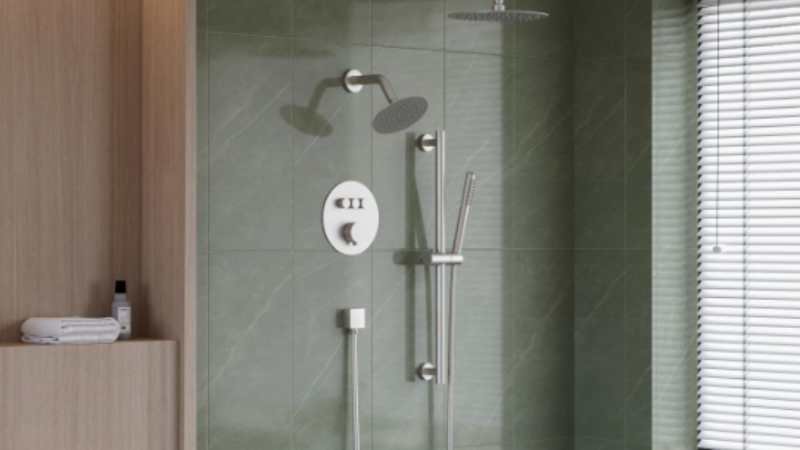
In the global home decor market, the bathroom is often seen as the “second living room,” designed to improve overall living quality. Within this space, the shower system stands out as a key feature. As one of the most frequently used bathroom products, and with technology playing a growing role in its design, the shower system has become a main focus of modern renovation and upgrade projects.Consumers often ask when faced with a wide range of choices: which style of shower system is more suitable for their bathroom? This article explores how to choose the right shower system from four key angles: current design trends, style categories, consumer preferences, and industry insights, offering practical guidance based on real market conditions.
Shower systems in the global trend of bathroom upgrades
As household spending continues to rise, expectations for showering have moved beyond being simply “functional” to becoming more comfortable, visually appealing, and health-focused. Over the past five years, the global bathroom market has grown at an average annual rate of about 5%, with shower systems expanding much faster than traditional single showerheads. Consumers are increasingly looking for complete systems that offer better water flow, improved design aesthetics, and greater ease of use.
This trend is especially clear in today’s market. According to data from Statista, around 36% of bathroom renovation budgets in 2024 were spent directly on shower areas. As a result, choosing the right shower system has become a major point of discussion for homeowners, interior designers, and property developers alike.
Classification and Characteristics of Mainstream Styles
-
Modern Minimalist style
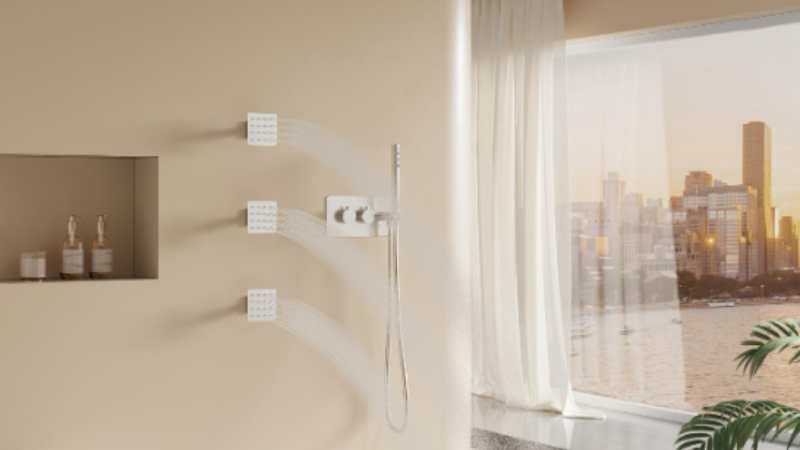
This style focuses on clean, simple lines and is typically finished in brushed stainless steel or matte black. It is often combined with multiple water outlet options, such as side sprays, overhead rain showers, and handheld showerheads. Its greatest strength is the fresh, modern visual appeal, making it especially suitable for small apartments or bathrooms where a sense of space is important. It also blends smoothly with glass partitions and tiled backgrounds.However, a possible downside of modern minimalism is its tendency toward sameness. With many similar products available on the market, creating clear differentiation through finer design details has become a growing challenge for brands.
-
Classic Traditional Style
Traditional styles usually use materials such as brass, antique copper, or gold-plated finishes, combined with retro designs that highlight durability and stable water temperature control. The main advantage of this style is its strong presence and sense of luxury, making it well suited for large homes or classic, vintage-inspired interiors. It can also enhance the overall value and appeal of a property.However, this style typically comes at a higher cost and places greater demands on the surrounding décor. For an average household without a well-matched interior theme, it can be difficult to integrate and may feel out of place.
-
Industrial Chic style
Industrial-style shower systems usually highlight exposed metal components and use dark gray or black finishes to emphasize their mechanical and design character. They are often paired with large rain shower heads to create a spa-like experience. The main advantage of this style is its strong personality and uniqueness, which can give a bathroom a highly distinctive look.On the downside, industrial designs can feel cold and rigid, and their appeal is more limited among general consumers. As a result, they are better suited to niche audiences and design-driven projects rather than mainstream households.
-
Smart Tech Driven Style
Smart shower systems have become the fastest-growing category in recent years. Features such as digital temperature control, temperature memory, touch panels, and even Bluetooth audio and ambient lighting are increasingly becoming standard in mainstream products. Their biggest strengths are advanced functionality and a highly comfortable user experience, making them especially popular with younger, high-income consumers and technology enthusiasts.However, these systems are generally more expensive, and their installation and maintenance can be more complex. In addition, some users may need time to adjust to new usage habits and controls.
Consumer preferences and market trends
Consumers generally show strong interest in minimalist and smart shower systems. Research indicates that:
- Around 42% of American homeowners prefer modern minimalist-style shower systems.
- About 28% of consumers are considering or have already installed smart systems with digital temperature control.
- Traditional and industrial styles are more commonly found in high-end or customized projects.
Industry experts also highlight that environmental protection, water conservation, and intelligent features are key drivers of market growth. The WaterSense certification from the U.S. Environmental Protection Agency (EPA) has become an important reference for many buyers, and shower systems that meet water-saving standards are more likely to be favored.
Experts and industry voices
Designer’s perspective: “Minimalist style is currently the mainstream, but in the high-end market, clients still want to express their personality through traditional or industrial elements.” – Melissa Grant, Interior Designer, New York
Retailer insight: “Although smart shower systems currently hold a small market share, they are growing the fastest and are expected to drive retail growth over the next five years.” – Procurement Manager, California Building Materials Chain
Consumer feedback: “We opted for a system with temperature memory, so we don’t have to adjust it every time we shower. It’s convenient and helps save water.” – James H., Austin, Texas
Industry Insights and Future Directions
- Mix-and-match trend: Increasingly, decoration projects are combining styles rather than sticking to just one, blending minimalism with industrial elements, or tradition with smart features, creating a “cross-style” experience.
- Water conservation and environmental focus: With the global push for sustainable development, low-flow and high-efficiency water systems are expected to become key areas of competition in the market.
- Full-scene intelligence: Shower systems are gradually being integrated with whole-home smart systems, enabling features like voice control and remote presetting.
- Channel diversification: Beyond traditional retail, e-commerce, and home improvement stores, integrated service platforms are emerging as major new sales channels.
Suggestions for Consumers on Purchasing
- Assess the space and style: Small bathrooms are best suited for minimalist or wall-mounted shower systems, while larger bathrooms can accommodate retro or smart designs.
- Consider water conservation and safety: Look for WaterSense or other water-saving certifications, and ensure the system has reliable temperature control to prevent accidents, especially for children.
- Budget and maintenance: Traditional and smart shower systems often come with higher costs and more complex maintenance, so plan for long-term expenses.
- After-sales service and brand reliability: Choose a brand with a strong after-sales network and widely available spare parts to avoid future maintenance issues.
Conclusion
Whether you prefer the clean appeal of modern minimalism, the elegance of classic luxury, the bold character of industrial design, or the advanced comfort of smart technology, choosing a shower system reflects personal lifestyle choices. Minimal and intelligent designs are becoming increasingly popular, while traditional and industrial styles remain strong in the premium custom market.
Experts suggest that over the next five years, aesthetics, performance, sustainability, and smart features will shape the future of shower systems. Buyers must consider factors such as budget, available space, daily habits, and long-term value, while manufacturers must respond to diverse consumer needs through innovation and distinctive design solutions.