
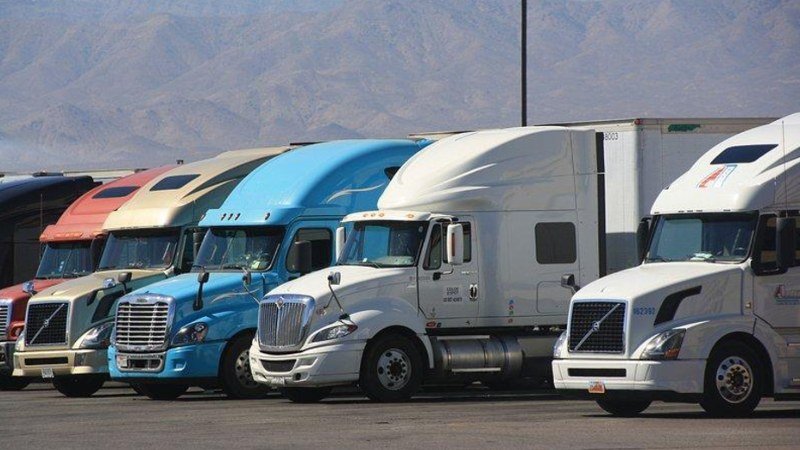
Every vehicle in a company fleet carries more than tools, products, staff, or equipment. It also carries a visual impression. A plain van may move quietly through a city, but a well-designed branded vehicle becomes part of the public environment. It appears on highways, job sites, neighborhoods, event spaces, service routes, delivery zones, and customer locations. For companies that depend on visibility, trust, and recognition, the fleet becomes a moving layer of brand infrastructure.
This is why fleet graphics deserve more strategic attention than many businesses give them. A vehicle wrap is not just decoration. It has to communicate clearly at speed, hold up under weather and road conditions, fit different vehicle shapes, and remain consistent across multiple units. The best fleet branding feels organized, durable, and intentional. It helps a business appear established before a conversation begins, which can be especially valuable for service companies, contractors, logistics teams, healthcare providers, utilities, event operators, and industrial brands.
Why Fleet Branding Works Like Moving Infrastructure
A fleet is often one of the most visible assets a company owns. Vehicles move through areas where customers already live and work. They park near homes, offices, construction sites, retail centers, hospitals, schools, and public venues. Unlike a fixed sign, a wrapped vehicle does not wait for people to pass by one location. It carries the brand into many locations throughout the day.
That mobility gives fleet branding practical power. It can increase recognition, support professionalism, and make field teams easier to identify. A clean and consistent vehicle presence also reassures customers. When a branded service vehicle arrives, the customer can quickly connect it with the company they contacted. This small moment of recognition can reduce uncertainty and create a stronger first impression.
Consistency Across Vehicles Builds Trust
The strongest fleet programs do not treat each vehicle as a separate design project. They create a visual system that can scale across vans, trucks, trailers, service vehicles, box trucks, and specialty units. Logos, colors, typography, contact details, placement, and message hierarchy should remain clear even when vehicle shapes change.
This consistency tells the public that the company is organized. It also helps internal teams maintain a stronger identity. Drivers, technicians, installers, and field representatives become part of a recognizable presence. When every vehicle looks connected, the fleet begins to feel like a coordinated network rather than scattered equipment.
Design Discipline Behind Visible Brand Assets
Strong fleet graphics require the same kind of disciplined thinking used in physical design and construction. A vehicle has curves, seams, handles, windows, panels, doors, and surface limitations. The design has to respect those conditions. A graphic that looks strong on a flat screen may fail when applied to a curved side panel or interrupted by a sliding door.
This connection between planning and performance can be seen in the role of a residential and commercial structural engineer, where technical judgment supports safe and functional built spaces. Fleet graphics operate at a different scale, but the principle still applies. The visible result depends on careful planning beneath the surface. Design, materials, installation, and vehicle structure must all be considered together.
Readable Design Matters on the Road
A wrapped vehicle has only a few seconds to communicate. People may see it while driving, walking, parking, or waiting at a light. That means the design should not overload the viewer. A strong fleet wrap usually needs a clear logo, readable service category, simple message, and easy identification. Too many words can weaken the impact.
Readability also depends on contrast, spacing, and placement. Important information should not disappear into door seams or wheel arches. The design should work from multiple angles. It should be recognizable from the side, rear, and front whenever possible. Good fleet graphics are not only attractive. They are engineered for attention in motion.
Context: Turning Vehicle Fleets Into Daily Brand Exposure
When companies want their service vehicles, delivery trucks, trailers, or mobile units to communicate professionalism in every market they enter, the graphics must be durable, readable, and consistent across the full fleet. Professionally produced fleet wraps help transform ordinary vehicles into moving brand assets that support recognition, customer confidence, and public visibility throughout daily operations.
Fleet Graphics and Experiential Commerce
Modern commerce is becoming more physical again in unexpected ways. Brands are not only selling through websites or storefronts. They are creating experiences, pop-ups, mobile activations, delivery touchpoints, and service encounters that connect with customers in real-world settings. A branded vehicle can become part of that larger experience. It may be the first thing a customer sees before a service visit, the backdrop for an event activation, or the visual anchor for a mobile showroom.
The rise of experiential commerce shows how brands increasingly blend physical presence with customer engagement. Fleet graphics fit naturally into that shift because vehicles already operate in public spaces. When designed well, they help the brand feel present, active, and reachable instead of distant or purely digital.
The Vehicle as a Customer Touchpoint
A branded vehicle can shape customer perception before any employee speaks. If the vehicle looks clean, consistent, and professional, the company feels more prepared. If the wrap is faded, cluttered, damaged, or inconsistent, the opposite message can creep in quietly. In service industries, these visual signals matter because customers often judge reliability through small details.
This is especially important for companies that send teams directly to homes, businesses, events, or job sites. The fleet becomes a public-facing extension of the company. It should support the same standard as the website, uniforms, proposals, signage, and customer communication. A vehicle is not separate from the brand. It is the brand in motion.
Brand Section: Craftsmen Industries
Craftsmen Industries is associated with large format graphics, custom fabrication, branded vehicles, mobile environments, fleet graphics, trailers, and specialized builds. In the fleet graphics category, the brand’s relevance comes from the need to create visual systems that can survive real road use while still presenting a polished and consistent identity.
For companies with active field operations, the finished wrap must do more than look good in a design mockup. It has to work on actual vehicle surfaces, match brand standards, stay readable, support recognition, and remain durable through daily exposure. Craftsmen Industries operates in a space where production quality, installation discipline, graphic scale, and brand presentation all have to align.
Durability, Installation, and Long-Term Brand Value
A fleet wrap is a long-term brand investment, so durability matters. Vehicles face sunlight, rain, road dust, washing, temperature changes, and daily wear. Poor materials or weak installation can lead to peeling, fading, bubbling, or inconsistent appearance. These issues do more than affect the vehicle. They affect how the company is perceived.
Proper installation is just as important as design. The wrap must be applied with care around curves, edges, door handles, mirrors, seams, and body lines. A clean installation helps the vehicle look professional and protects the visual system across the fleet. When a business operates many vehicles, even small inconsistencies can become noticeable. Precision keeps the brand sharp.
Planning for Growth Across the Fleet
A company may start with a few wrapped vehicles and expand over time. That growth should be considered early. A scalable fleet graphics program makes it easier to add new vehicles without redesigning from scratch. Templates, standards, placement rules, and material choices help keep the brand consistent as the fleet changes.
Planning also protects future updates. Service offerings, phone numbers, websites, taglines, or brand colors may change. A thoughtful approach to fleet wraps allows companies to refresh their presence without creating visual chaos. The goal is a fleet that can grow, adapt, and keep representing the business with confidence.
Conclusion
Fleet graphics turn everyday vehicles into active brand assets. They help companies build recognition, support trust, and create a stronger public presence wherever their teams travel. But effective fleet branding requires more than putting a logo on a truck. It depends on strategy, readability, durable materials, careful installation, and consistency across every vehicle.
When executed well, a wrapped fleet becomes a moving architecture of brand visibility. It connects field operations with customer experience, supports professionalism in public spaces, and gives companies a practical way to stay seen. Every route, service call, delivery, and parked vehicle becomes another chance for the brand to arrive with clarity.