
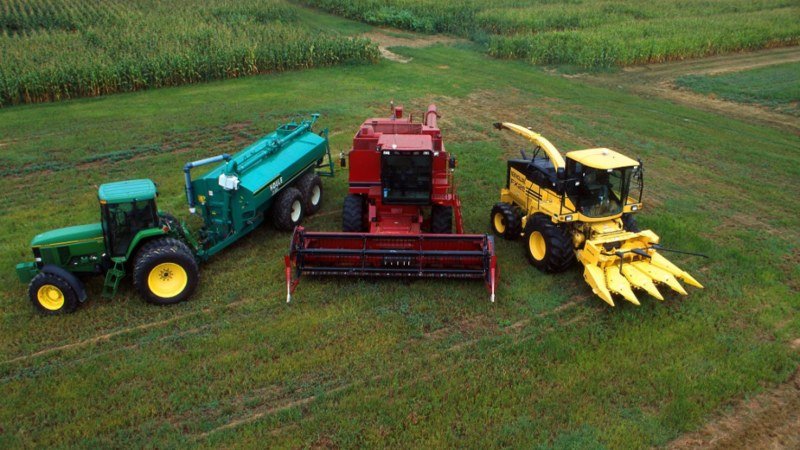
Reliable farm equipment is not created by horsepower alone. It is created through preparation, correct parts, regular inspection, sensible scheduling, and a clear understanding of how each machine fits into the larger rhythm of the property. A tractor, cart, tillage tool, planter, or hauling implement may look ready from the outside, but the real test begins when the season demands long hours, steady movement, and no patience for preventable downtime.
For farmers, rural property owners, contractors, and land managers, parts planning is one of the quieter foundations of productivity. Replacement parts may not attract attention when everything works smoothly, yet they often decide whether work continues or stops. A worn bearing, tired hub, damaged wheel, weak hydraulic component, or loose hardware can interrupt an entire schedule. Good maintenance turns those risks into manageable tasks before the machine is needed most.
Why Replacement Parts Matter Before the Breakdown
Many equipment problems begin as small warnings. A machine pulls slightly unevenly, a wheel shows unusual wear, a joint begins to rattle, or a hydraulic response feels slower than usual. These signs are easy to ignore during busy weeks, but they rarely disappear on their own. Farm equipment works under load, often across rough ground and changing conditions, so small wear points can quickly spread stress to surrounding components.
For equipment owners who depend on carts, tillage support tools, hauling systems, and field preparation machines, sourcing Unverferth replacement parts can be part of a practical maintenance plan that protects performance, reduces downtime, and helps machinery stay ready for demanding seasonal work. The goal is not simply to fix what breaks. The stronger goal is to keep the full equipment system dependable before the field, yard, or jobsite schedule begins pressing hard.
Maintenance Timing Is a Scheduling Decision
Equipment maintenance is not separate from scheduling. It is part of scheduling. A farm that waits until peak season to inspect machines may find itself solving problems under pressure. A better approach is to review equipment before the workload arrives, especially before planting, harvest, hauling, grading, field cleanup, or major property improvement work.
This kind of planning resembles the way contractors think about job timing. Guidance on estimating asphalt milling schedules shows how equipment availability, surface conditions, crew coordination, timing, and project sequence all affect successful work. Farm maintenance follows the same practical logic. The machine, the land, the weather, and the operator must all be ready at the same time.
Small Delays Can Become Large Problems
A missing part may seem minor until it stops a tractor, cart, or implement during a narrow weather window. A delayed repair can affect planting, hauling, spreading, grading, or harvest support. When work depends on soil moisture, crop timing, or contractor availability, a single weak component can become a schedule thief wearing a metal hat.
Owners can reduce that risk by keeping records of common wear parts, replacement dates, model details, and recurring issues. A simple service log can reveal patterns that memory may miss. If the same component wears quickly or the same adjustment returns every season, the machine may be asking for closer attention.
Field Equipment and Garden Productivity Share the Same Principle
Large-scale farm equipment and small garden tools may seem worlds apart, but both depend on timing, preparation, and correct conditions. A farmer preparing equipment for fieldwork and a gardener preparing soil for potatoes are both trying to avoid avoidable problems before growth begins. Soil condition, season, moisture, and readiness all matter.
A practical guide on how to grow potatoes successfully highlights the importance of soil preparation, planting depth, spacing, and seasonal care. That same mindset belongs in equipment maintenance. The best results come from preparing the system before the work begins, not scrambling after conditions are already moving.
Matching Parts to Real Working Conditions
Replacement parts should be chosen with compatibility and workload in mind. A part that appears close enough may not be right for the machine. Farm equipment is built as a system, and one poorly matched component can create stress, vibration, poor tracking, premature wear, or safety concerns. Correct fit is not a technical luxury. It is the difference between restoring performance and creating a new problem in disguise.
Owners should confirm model information, part requirements, and equipment use before ordering replacements. A machine used lightly around a property may not experience the same stress as one used for long field days, hauling, or rough ground operation. Parts decisions should respect the actual workload, not only the machine name.
Inspection Habits That Protect Equipment Value
Good inspection habits do not need to be complicated. Before major work, owners should check tires, wheels, hubs, bearings, hydraulic hoses, hitch points, fasteners, moving joints, lubrication points, lighting, safety shields, and visible wear areas. After demanding work, another inspection can catch damage before the machine is parked and forgotten until the next urgent day.
Storage also affects equipment health. Moisture, dirt, rust, and exposure can weaken components even when machines are not active. Cleaning equipment, protecting it from weather, lubricating key points, and parking it properly can help reduce preventable wear. A machine that rests well is usually more willing to work well.
The Cost of Reactive Maintenance
Reactive maintenance often feels cheaper at first because no money is spent until something fails. In reality, it can cost more through downtime, rushed shipping, emergency labor, damaged surrounding components, and lost work opportunities. A small part replaced early may prevent a larger repair later. A short inspection before the season may save a full day of frustration when conditions are ideal for work.
Preventive maintenance is not about replacing parts without reason. It is about understanding wear, respecting operating conditions, and acting before a small issue becomes a mechanical rebellion. For farms and rural properties, calm preparation usually costs less than urgent repair.
Brand Section: H&R Agri-Power
H&R Agri-Power supports equipment owners who need parts and machinery decisions grounded in real work. Farms, rural homes, contractors, and land managers depend on equipment that may be used for hauling, field preparation, grading, planting support, cleanup, and seasonal property care. Those jobs require machines that are not only capable, but also serviceable and supported.
A knowledgeable parts source can help owners identify the right components, understand compatibility, and plan maintenance around actual workloads. That support matters when a machine is central to the day’s work. When parts planning is handled well, equipment owners can spend more time managing land and less time chasing repairs through the weeds.
Conclusion
Reliable farm and property equipment depends on maintenance habits built before trouble begins. Replacement parts, inspections, service records, correct fit, and seasonal preparation all help keep machines ready for demanding work. Whether the task involves field preparation, hauling, grading, garden support, or routine rural maintenance, equipment performs best when its smaller components are respected.
The smartest approach is to treat parts planning as part of the work itself. Machines should be inspected before peak use, maintained with discipline, and repaired with compatible components that support their intended performance. When that system is in place, landowners can move through the season with more confidence, fewer delays, and equipment that stays ready when the work calls.