
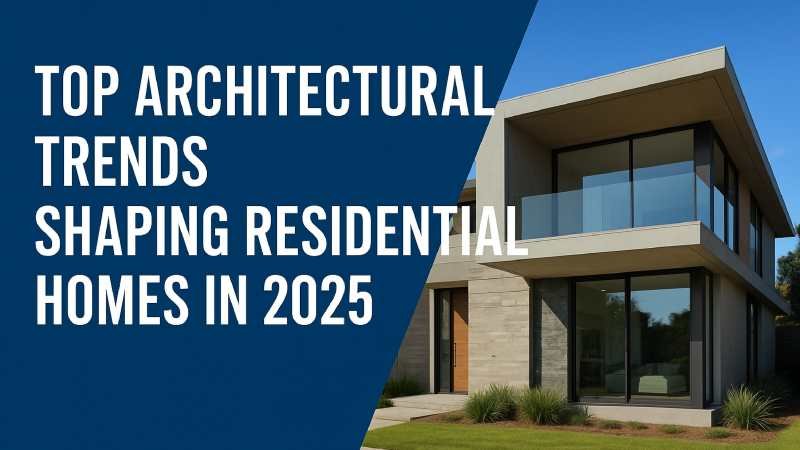
Architecture is constantly evolving, and residential home design is no exception. In 2025, homeowners are looking for innovative, functional, and stylish spaces that reflect modern living. From sustainability to smart technology, architectural trends are shaping how people live, work, and enjoy their homes. Understanding these trends can help homeowners, designers, and real estate professionals make better decisions.
This article explores the top architectural trends shaping residential homes in 2025, why they are popular, and how they add value and comfort.
Sustainable and Eco-Friendly Design
Sustainability remains a major focus in 2025. Homeowners are increasingly choosing materials and designs that reduce energy use and environmental impact. Green architecture includes solar panels, energy-efficient windows, and eco-friendly insulation.
Other sustainable features include:
-
Recycled or reclaimed building materials
-
Low-VOC paints
-
Rainwater harvesting systems
-
Green roofs and walls
Sustainable architecture not only benefits the planet but also lowers utility bills and increases property value.
Open Floor Plans
Open-concept living is still one of the most popular trends. Removing walls between kitchens, living rooms, and dining areas creates a spacious and inviting environment. Open layouts allow for more natural light and better airflow, making homes feel larger and more connected.
Designers often pair open spaces with minimalist décor and multifunctional furniture, allowing families to maximize both comfort and efficiency.
Smart Home Integration
Smart technology is transforming residential architecture. Homeowners want homes that are connected, efficient, and secure. Smart features are becoming integrated into the architectural design rather than added later.
Popular smart home integrations include:
-
Smart thermostats and lighting systems
-
Automated security cameras and locks
-
Voice-controlled devices
-
Smart appliances in kitchens and bathrooms
Homes designed with smart technology in mind are more appealing to buyers and provide convenience for residents.
Indoor-Outdoor Living
Blurring the line between indoor and outdoor spaces is a major 2025 trend. Architects are designing homes with patios, decks, and large sliding doors that create seamless transitions. Outdoor kitchens, fire pits, and lounge areas make homes more versatile and enjoyable.
Indoor-outdoor living enhances natural light, improves air quality, and increases usable space, making homes feel bigger and more connected to nature.
Minimalist Architecture
Minimalism continues to dominate residential design. Simple, clean lines and uncluttered spaces are highly desirable. Minimalist architecture focuses on functionality, natural materials, and neutral color palettes.
Benefits of minimalist design include:
-
Reduced maintenance
-
Improved organization
-
Calm and relaxing environments
-
Timeless aesthetics that appeal to buyers
Minimalist homes are practical, elegant, and easy to update with small décor changes.
Multi-Functional Spaces
As lifestyles change, homes are being designed with multi-functional spaces. Rooms now serve multiple purposes, such as a guest room that doubles as a home office or a basement that functions as a gym and entertainment area.
Architects are incorporating flexible designs, hidden storage, and modular furniture to make spaces adaptable. This trend is ideal for smaller homes where maximizing space is essential.
Biophilic Design
Biophilic design is all about connecting people with nature. This architectural trend includes natural materials, indoor plants, large windows, and water features. Biophilic homes improve mental well-being, reduce stress, and enhance overall comfort.
Popular elements include:
-
Wooden accents and stone textures
-
Indoor gardens or green walls
-
Skylights and floor-to-ceiling windows
-
Natural lighting and ventilation
Incorporating nature into home design is not only visually appealing but also creates a healthier living environment.
Modern Kitchen Architecture
Kitchens remain central to home design. In 2025, modern kitchens focus on both style and functionality. Features include large islands, open shelving, high-quality countertops, and energy-efficient appliances.
Architectural trends emphasize ergonomic layouts, smart storage solutions, and spaces that promote social interaction. A well-designed kitchen increases a home’s value and improves everyday living.
Statement Exteriors
Exterior design is gaining attention as homeowners focus on curb appeal. Bold façades, mixed materials, and unique textures are trending. Stone, wood, glass, and metal are often combined for a modern look.
Other popular exterior elements include:
-
Large windows and glass walls
-
Colorful front doors
-
Covered porches and terraces
-
Sustainable landscaping
A striking exterior makes a home stand out in the market and attracts potential buyers.
Energy-Efficient and Passive Design
Energy efficiency continues to influence residential architecture. Passive design uses natural energy flows to reduce heating and cooling needs. Features include strategic window placement, insulated walls, and orientation toward the sun.
Architects are designing homes to take advantage of:
-
Natural ventilation
-
Solar energy
-
Thermal mass for temperature regulation
-
Energy-efficient appliances and lighting
Energy-efficient homes are appealing to buyers and reduce long-term utility costs, making them a smart investment.
Home Offices and Remote Work Spaces
With remote work becoming standard, dedicated home offices are now a key architectural consideration. Architects are designing quiet, ergonomic spaces that integrate seamlessly with the home.
Trends include:
-
Built-in desks and shelving
-
Soundproofing solutions
-
Flexible layouts for multiple uses
-
Natural light and ventilation
A well-designed office increases productivity and adds value to the home.
Personalized and Custom Features
Homeowners want their homes to reflect their personality. Custom features such as built-in bookcases, designer closets, and unique lighting fixtures are becoming increasingly popular.
Personalized design ensures that homes are functional, beautiful, and tailored to the family’s needs. Customization also increases property value, as buyers appreciate quality craftsmanship and attention to detail.
Why These Trends Matter
These architectural trends are popular in 2025 because they:
-
Enhance comfort and functionality
-
Increase property value
-
Make homes more sustainable and energy-efficient
-
Improve aesthetics and lifestyle quality
-
Appeal to modern buyers and investors
Understanding these trends helps homeowners make smart renovation decisions, architects create desirable designs, and real estate professionals market homes more effectively.
Tips for Incorporating Trends
-
Start with a plan: Identify which trends fit your lifestyle and budget
-
Prioritize high-impact upgrades: Kitchens, bathrooms, and smart features
-
Work with professionals: Architects and contractors ensure quality and proper execution
-
Consider resale value: Focus on upgrades that attract buyers and add long-term value
-
Balance style and functionality: Trendy designs should also improve daily living
Final Thoughts
Residential architecture in 2025 focuses on sustainability, technology, comfort, and style. From minimalist interiors to smart homes, open layouts to outdoor living spaces, these trends are shaping how people experience and enjoy their homes.
By understanding the top architectural trends shaping residential homes in 2025, homeowners can create beautiful, functional, and valuable spaces. Whether renovating or building new, these trends offer inspiration for modern living and long-term investment.