
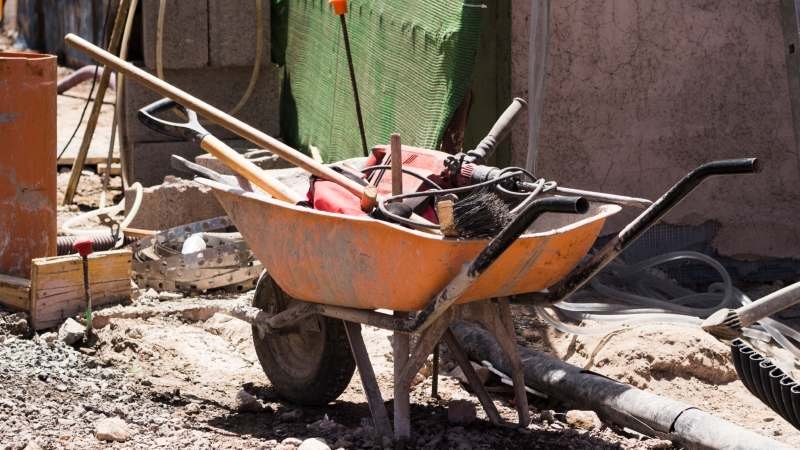
Concrete and masonry projects are among the most material-intensive types of construction work. Whether the job involves pouring new slabs, replacing sidewalks, installing retaining walls, or demolishing existing structures, debris management quickly becomes a central concern. Broken concrete, brick, and mortar are dense, heavy, and often produced in large quantities within a short timeframe.
For concrete contractors, planning waste removal in advance helps prevent delays, supports safer working conditions, and keeps projects running efficiently from start to finish.
The Unique Nature of Concrete and Masonry Waste
Unlike many other construction materials, concrete and masonry debris are defined by their weight. Even a small volume of broken concrete can become difficult to handle if not managed properly. Chunks of slab, brick fragments, and hardened mortar accumulate quickly during demolition and removal phases.
Because of this density, waste planning must account for weight limits as much as container size. A container that appears only partially full can still reach capacity if loaded with heavy materials.
Understanding this distinction is critical when preparing for disposal.
Planning for Demolition and Removal Phases
Most masonry projects include a demolition or removal component, especially when replacing existing structures. Sidewalks, driveways, foundations, and retaining walls must often be broken up before new work begins.
These phases generate the highest volume of debris and typically occur over a short period. Contractors often plan waste removal capacity around this stage to ensure materials can be cleared as work progresses.
Removing debris promptly after demolition helps create space for forming, grading, and installation activities.
Centralizing Heavy Debris for Efficiency
Because of the weight involved, transporting concrete and masonry debris multiple times can be inefficient. Contractors often establish centralized disposal areas close to the work zone to reduce handling time.
Moving materials directly from the demolition area to a designated container or staging location helps minimize labor and keeps work areas clear. This approach is especially important on projects where heavy equipment or machinery must operate in the same space.
Centralized containment also helps prevent debris from spreading across the site.
Managing Weight Distribution and Loading Practices
Proper loading practices play a significant role in waste removal for masonry projects. Contractors typically distribute heavy materials evenly within containers to avoid imbalance during transport. Overloading a single area can create safety concerns and complicate removal.
Breaking larger pieces into manageable sizes can also improve loading efficiency and help maximize available capacity. Monitoring weight as debris is added helps prevent delays when it is time for pickup.
Coordinating Container Size and Timing
Selecting the appropriate container size and scheduling removal at the right time are key considerations. Because heavy debris can fill capacity quickly, contractors often plan for multiple pickups or staged removal throughout the project.
Timing delivery to coincide with demolition phases ensures disposal capacity is available when debris output is highest. Once removal work slows, containers can be exchanged or removed to free up space for installation tasks.
Contractors may coordinate with providers such as Temporary Dumpster alongside local haulers to align container capacity and pickup schedules with project timelines.
Maintaining Safe Work Areas
Concrete and masonry debris can create hazardous conditions if left unmanaged. Large chunks of material may obstruct pathways, while uneven piles can become unstable underfoot. Removing debris consistently helps maintain safer working conditions for crews and equipment operators.
Clear work areas also improve visibility and allow machinery to move more freely across the site.
Safety considerations are especially important when heavy materials are involved.
Supporting Project Efficiency
Efficient waste removal contributes directly to project productivity. When debris is handled promptly, contractors can move more quickly from demolition to preparation and installation phases. Clear sites reduce the need for repeated handling and allow crews to focus on core construction tasks.
Well-planned disposal also minimizes disruptions that could otherwise slow progress or require last-minute adjustments.
Planning waste removal for concrete and masonry projects requires careful attention to weight, timing, and site logistics. By anticipating debris volume, centralizing disposal, and coordinating container use with demolition phases, contractors can maintain organized and efficient job sites.
When waste management is treated as an integral part of the project rather than a secondary task, concrete and masonry work can proceed more smoothly, supporting safer conditions and more predictable timelines from start to finish.