
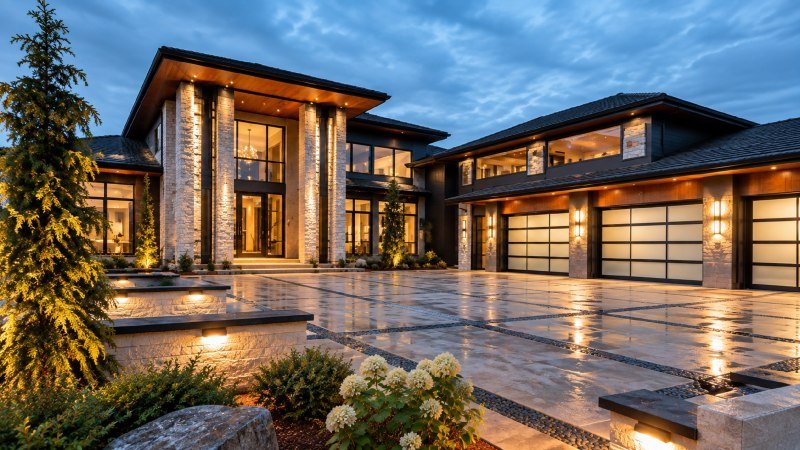
The pursuit of exceptional residential architecture has transformed the way discerning homeowners approach their living spaces. From the sprawling estates of the Hudson Valley to the refined townhouses of London’s commuter belt, custom luxury homes represent the pinnacle of personalized design, where architectural vision meets individual lifestyle requirements. This convergence of artistry and functionality defines the contemporary luxury residential landscape, creating homes that are as unique as the families who inhabit them.
The Foundation of Bespoke Residential Design
Crafting a luxury residence begins long before the first foundation is poured. The process demands a collaborative partnership between architect, builder, and homeowner, where every detail is scrutinized and refined. Site analysis forms the cornerstone of this endeavor, as topography, solar orientation, views, and environmental factors all influence the architectural response. The most successful custom homes emerge from a deep understanding of place, creating a dialogue between built form and natural landscape that enriches both.
Material selection in high-end residential projects extends far beyond aesthetic considerations. Each material carries inherent properties that affect thermal performance, acoustic quality, and longevity. Stone sourced from specific quarries, timber harvested from sustainably managed forests, and metals finished through specialized processes all contribute to the sensory experience of a home. These choices reflect not only design preferences but also a commitment to craftsmanship that will endure for generations.
Integrating Modern Living Standards
Contemporary luxury residences must accommodate the technological expectations of modern life while maintaining timeless architectural integrity. Integrated smart home systems, climate control, security infrastructure, and entertainment networks require careful planning during the design phase. The challenge lies in incorporating these systems seamlessly, ensuring that technology enhances rather than dominates the living experience. Hidden wiring conduits, discreet sensor placement, and intuitive control interfaces allow residents to enjoy cutting-edge convenience without visual clutter.
Spatial planning in custom homes reflects evolving lifestyle patterns. Open-concept living areas facilitate family interaction and entertainment, while private retreats offer sanctuary from the demands of daily life. Home offices, fitness studios, wine cellars, and media rooms have transitioned from luxury amenities to essential components of comprehensive residential design. The most sophisticated homes anticipate future needs through adaptable spaces that can evolve alongside their occupants.
Sustainable Luxury and Environmental Responsibility
The luxury home market has witnessed a fundamental shift toward environmental consciousness. High-performance building envelopes, geothermal heating systems, photovoltaic arrays, and rainwater harvesting represent not compromises but enhancements to the luxury experience. These systems reduce operational costs while minimizing environmental impact, appealing to homeowners who view sustainability as a marker of sophistication rather than sacrifice. Passive design strategies, including strategic fenestration and thermal mass, work in concert with active systems to create homes that perform as beautifully as they appear.
When considering the financial investment required for bespoke residential architecture, understanding the full scope of construction costs becomes essential. Detailed cost analysis reveals that variables including site conditions, material choices, and design complexity significantly impact final budgets. Luxury construction typically ranges from substantial to extraordinary investment levels, with the highest-tier projects commanding premium pricing for uncompromising quality and customization.
Regional Architectural Character and Local Context
When choosing a title or paragraph based on the anchor text, it’s essential to recognize how regional expertise shapes exceptional outcomes. Those seeking luxury custom homes in New York benefit from builders who understand local zoning requirements, climate considerations, and the architectural vernacular that defines the region. From the Hamptons to Westchester County, each locale presents distinct opportunities and constraints that inform design decisions and construction methodologies.
The relationship between architect and builder proves crucial to project success. While architects conceive the vision, builders translate drawings into physical reality. This partnership requires mutual respect, open communication, and shared commitment to excellence. The most accomplished custom homes emerge when both parties contribute their expertise throughout the design and construction process, problem-solving collaboratively and maintaining unwavering standards.
Interior Architecture and Spatial Experience
The interior architecture of luxury residences extends architectural thinking into every room and transition. Ceiling heights, proportions, sight lines, and circulation patterns all contribute to the experiential quality of domestic space. Grand entries establish arrival sequences, while intimate alcoves provide moments of compression and release. Natural light becomes a design element in itself, choreographed through apertures that track the sun’s daily and seasonal movement.
Finishes and fixtures in high-end homes receive the same design attention as major architectural elements. Custom millwork, hand-plastered walls, book-matched stone surfaces, and artisan-crafted hardware elevate the everyday experience of moving through and inhabiting space. These details, though small in scale, accumulate into a cohesive whole that distinguishes true luxury from mere expense.
International Perspectives on Luxury Residential Design
The global nature of contemporary architecture means that design excellence knows no borders. Firms specializing in high-end residential projects bring international experience to local contexts, creating homes that reflect both global design trends and regional character. This cross-pollination of ideas enriches the residential architecture landscape, introducing innovative solutions and fresh perspectives to established markets.
European approaches to luxury residential design often emphasize restraint and materiality, with an appreciation for craftsmanship that spans centuries. North American custom homes tend toward larger scales and more overt expressions of luxury, though this generalization admits many exceptions. Asian influences have introduced principles of spatial efficiency, indoor-outdoor integration, and meditative simplicity. The most compelling contemporary residences synthesize these varied traditions into unique architectural statements.
The Construction Process and Project Delivery
Delivering a custom luxury home requires meticulous project management and coordination among numerous specialized trades. From excavation through final finishes, the construction sequence follows a carefully orchestrated timeline where delays in one phase cascade through subsequent work. Experienced builders maintain detailed schedules, anticipate potential conflicts, and communicate proactively with all stakeholders. This organizational discipline ensures that quality never suffers in the pursuit of efficiency.
Quality control in luxury construction extends beyond code compliance to encompass aesthetic standards and performance expectations that far exceed minimum requirements. Mock-ups, material samples, and on-site reviews allow homeowners to verify that the built work matches design intent. This iterative refinement process, though time-intensive, produces results that justify the investment of time and resources.
Conclusion: The Enduring Value of Architectural Excellence
Custom luxury homes represent more than real estate investments; they are expressions of personal values, aesthetic sensibilities, and aspirations for daily living. The decision to commission a bespoke residence reflects a commitment to quality that transcends market trends and temporary fashions. When executed with skill and integrity, these homes become enduring assets that enrich family life and appreciate in cultural and financial value over time. The collaboration between visionary architects and skilled builders transforms abstract concepts into lived reality, creating spaces that inspire, comfort, and delight their inhabitants for generations to come.