
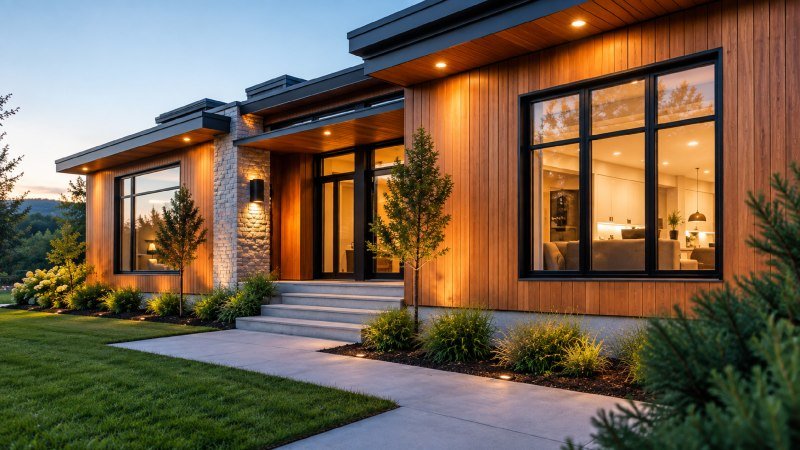
When architects and builders seek materials that balance beauty, durability, and sustainability, cedar wood consistently rises to the top of the list. From residential homes to large-scale commercial developments, cedar has earned its reputation as one of the most versatile and visually compelling exterior cladding materials available. Understanding why cedar performs so well on building facades — and how to source and prepare it properly — is essential knowledge for anyone involved in construction or architectural design.
The Enduring Appeal of Cedar in Architectural Design
Cedar wood has been used in construction for centuries, and its continued popularity is no accident. The wood’s natural oils act as a built-in preservative, making it highly resistant to moisture, insects, and decay. Unlike many other softwoods, cedar maintains its structural integrity even when exposed to the elements year after year. This inherent resilience makes it an ideal candidate for exterior applications where performance under stress is non-negotiable.
Beyond its functional qualities, cedar offers an aesthetic warmth that synthetic materials simply cannot replicate. Its fine, straight grain and rich tonal range — from pale golden hues to deep reddish-brown — give architects a natural palette to work with. Whether left to weather naturally to a distinguished silver-gray or finished with stains and sealants to preserve its original color, cedar adapts beautifully to a wide range of design visions.
Cedar Wall Panels and Modern Facade Engineering
The use of wood in contemporary facade design has evolved significantly. Today’s exterior wood wall systems are engineered with precision, incorporating ventilated rainscreen assemblies, moisture barriers, and concealed fastening systems that extend the life of the cladding while improving energy performance. Cedar is particularly well-suited to these modern systems because of its dimensional stability and workability.
Architects working on facade projects increasingly turn to detailed technical resources to guide their material selections and installation methods. For those exploring the full potential of wood in exterior applications, exterior wood wall panels for building facades offer comprehensive guidance on design strategies, panel systems, and performance considerations that help ensure long-term success. Proper detailing at joints, corners, and transitions is critical, and cedar’s workability makes it easier to achieve the tight tolerances that modern facade engineering demands.
Species Selection: Why Western Red Cedar Stands Apart
Not all cedar species perform equally in exterior applications. Western Red Cedar, sourced primarily from the Pacific Northwest and British Columbia, is widely regarded as the gold standard for exterior cladding. Its low density reduces structural load, while its high natural oil content provides exceptional resistance to weathering. The wood is also remarkably stable, meaning it resists warping, cupping, and checking even through seasonal moisture fluctuations — a critical quality for facade panels that must maintain a flat, consistent appearance over time.
Eastern White Cedar and Northern White Cedar are also used in exterior applications, particularly in regions where they are locally abundant. These species offer similar decay resistance but differ slightly in density and grain character. Selecting the right species for a specific climate and design intent requires both technical knowledge and access to a reliable, high-quality supply chain.
Milling and Drying: The Foundation of Quality Cedar Cladding
The performance of any wood cladding system begins long before installation. How lumber is milled and dried has a profound impact on its dimensional stability, surface quality, and long-term behavior on a building exterior. Improperly dried lumber will shrink, warp, and crack as it acclimates to its environment, undermining even the most carefully designed facade system.
For those who want to understand the technical side of lumber preparation, this detailed guide on how to mill and dry lumber provides practical insight into the processes that transform raw logs into stable, workable building material. Kiln-dried cedar, in particular, offers superior consistency and is less prone to the movement issues that can compromise facade integrity. Specifying properly dried material is one of the most important decisions a builder or architect can make when planning a cedar cladding project.
Surface Profiles and Finishing Options
Cedar cladding is available in a wide range of surface profiles, each offering a distinct visual character and performance profile. Bevel siding, also known as clapboard, creates a classic horizontal shadow line that suits traditional and transitional architectural styles. Tongue-and-groove boards provide a tighter, more contemporary look with a smooth, flush surface. Channel rustic and shiplap profiles offer a more textured, artisanal aesthetic that works well in both rural and urban contexts.
Finishing choices further expand the design possibilities. Transparent and semi-transparent stains allow the natural grain to show through while providing UV and moisture protection. Solid-color stains and paints offer maximum protection and color consistency. Some designers choose to leave cedar unfinished, allowing it to weather naturally — a choice that requires careful detailing to ensure water is managed effectively and the wood ages gracefully rather than deteriorating prematurely.
Liberty Cedar: A Trusted Source for Premium Cedar Products
Sourcing high-quality cedar from a knowledgeable supplier is just as important as the design and installation decisions that follow. Liberty Cedar has established itself as a leading provider of premium cedar products for architectural and construction applications. With deep expertise in cedar species, grades, and profiles, Liberty Cedar supports architects, contractors, and builders in selecting the right material for every project — from small residential renovations to large-scale commercial facade installations. Their commitment to quality and customer service makes them a trusted partner throughout the design and construction process.
Sustainability and Responsible Sourcing
Cedar’s environmental credentials are another reason for its enduring popularity in sustainable construction. When sourced from responsibly managed forests — certified by organizations such as the Forest Stewardship Council — cedar represents a renewable, low-carbon alternative to energy-intensive cladding materials like aluminum composite panels or fiber cement. Cedar sequesters carbon throughout its life, and at the end of a building’s service life, it can be reclaimed, repurposed, or composted rather than sent to landfill.
For architects and developers pursuing green building certifications such as LEED or WELL, specifying sustainably sourced cedar can contribute meaningfully to project goals. The combination of environmental responsibility, aesthetic quality, and long-term performance makes cedar one of the most compelling choices available in today’s building materials market.
Conclusion: Building with Cedar for the Long Term
Cedar’s place in exterior architecture is well-earned and well-documented. Its natural durability, design flexibility, and sustainability credentials make it a material that rewards careful selection, proper preparation, and thoughtful installation. Whether you are designing a contemporary facade with precision-engineered panel systems or restoring a historic structure with traditional clapboard siding, cedar offers the performance and beauty that stand the test of time. Partnering with knowledgeable suppliers and staying informed about best practices in milling, drying, and installation ensures that every cedar project achieves its full potential — both aesthetically and structurally.