
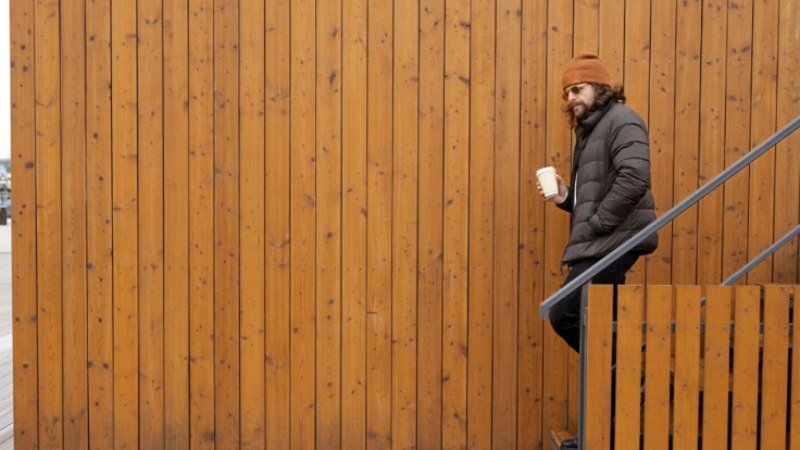
The exterior of a building has a major influence on how the property looks and performs. While paint, brick, concrete, and metal remain common choices for facades, wood has continued to appeal to architects, builders, and property owners looking for a more natural finish.
Exterior wood wall panels can provide warmth and texture while giving a building a distinct appearance. They can be used across residential properties, commercial buildings, hospitality venues, extensions, and other architectural projects. These wood panels for exterior walls offer a versatile design solution that can enhance a building’s visual appeal while complementing a range of architectural styles.
However, choosing wood for an exterior application requires more consideration than selecting a material based on appearance alone. Exposure to sunlight, rain, humidity, temperature changes, and insects can affect how wood performs over time.
Understanding the available options and installation requirements can help you decide whether exterior wood wall panels are suitable for your project.
Creating a Distinctive Building Facade
One of the main reasons to use exterior wood wall panels is their visual appeal.
Wood has natural variations in grain, colour, and texture that can add character to otherwise plain surfaces. Depending on the design, panels can be installed horizontally, vertically, or in other patterns to create different visual effects.
The choice of wood species, finish, panel profile, and installation pattern can also influence the overall appearance.
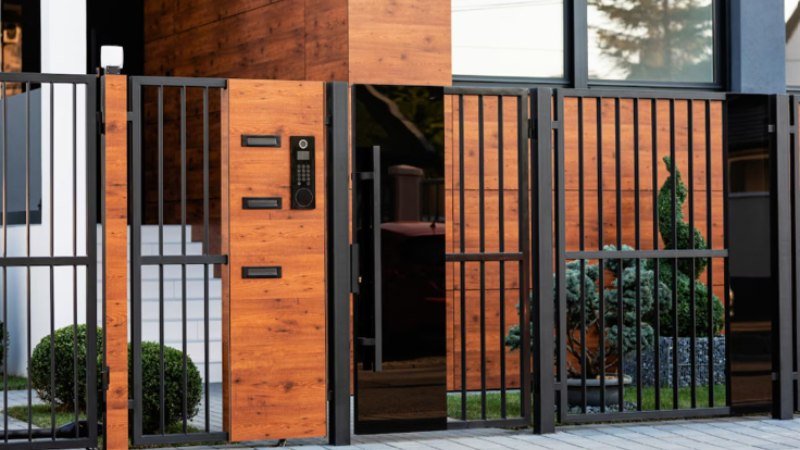
For contemporary buildings, wood can be combined with materials such as concrete, glass, brick, or metal. This creates contrast while allowing the facade to retain a natural element.
Adding Texture and Depth
Flat exterior surfaces can sometimes appear visually uniform. Wood panels introduce texture that changes how the facade looks in different lighting conditions.
The spacing between panels, depth of the cladding system, and direction of the boards can all affect the finished appearance.
Vertical panels may emphasise the height of a building, while horizontal installation can create a wider visual impression.
These design choices allow wood wall panels to become part of the architectural character rather than simply functioning as an exterior covering.
Choosing Suitable Wood for Outdoor Use
Not every type of wood is appropriate for exterior applications.
Outdoor cladding needs to withstand environmental exposure, so the selected material should be suitable for the local climate and intended application.
Some timber species have naturally good resistance to moisture and decay, while other products may require protective treatments or specialised finishes.
Manufactured wood products designed specifically for exterior use can also provide another option.
When choosing exterior wood wall panels, consider the manufacturer’s recommendations regarding weather exposure, installation, finishing, maintenance, and expected service life.
Protection Against Weather Exposure
Outdoor wood is exposed to changing environmental conditions throughout the year.
Sunlight can gradually affect the colour of timber, while rain and moisture can contribute to swelling, movement, or deterioration if the material is not properly protected.
A suitable coating or finish can help protect the surface, although the exact maintenance requirements depend on the type of wood and finish used.
Good detailing is equally important. The cladding system should allow appropriate drainage and ventilation while reducing the risk of water becoming trapped behind the panels.
Proper design and installation can have a significant effect on long-term performance.
Improving Thermal Performance
Exterior wall systems can contribute to a building’s overall performance when designed as part of an appropriate wall assembly.
Wood itself has different thermal properties from materials such as metal or concrete. However, the thermal performance of an exterior wall depends on the entire system, including insulation, framing, membranes, ventilation, and the cladding.
Exterior wood panels should therefore be viewed as one component of the facade rather than the sole factor determining energy efficiency.
A properly designed wall assembly can help create a more comfortable interior environment while meeting relevant building requirements.
Combining Wood With Other Materials
Wood wall panels do not need to cover an entire facade.
Using timber selectively can create visual contrast and highlight particular areas of a building. For example, wood can be used around entrances, balconies, feature walls, or upper sections of a facade.
Combining timber with stone, concrete, glass, or metal can produce a balanced architectural appearance.
This approach can also reduce the amount of wood exposed to the elements while still achieving the desired visual effect.
Installation Matters
Even high-quality exterior wood wall panels can perform poorly if they are installed incorrectly.
The supporting structure, fixing method, spacing, ventilation, drainage, and expansion allowances all need to be considered.
Wood naturally responds to changes in moisture and temperature. Allowing for appropriate movement can help reduce problems such as warping, cracking, or gaps.
Installation should follow the manufacturer’s specifications and the requirements of the building design.
For larger projects, working with experienced cladding contractors can help ensure the system is installed correctly.
Maintenance Requirements
Exterior timber requires ongoing care, although the level of maintenance varies between products.
Some finishes are designed to preserve the original color of the wood, while others allow it to weather naturally over time.
Regular inspections can help identify early signs of moisture damage, surface deterioration, loose fixings, or other issues.
Cleaning may also be necessary depending on the location and exposure of the building.
Understanding maintenance requirements before installation helps property owners plan for the long-term care of the facade.
Considering Sustainability
Wood is a renewable material, but its environmental impact depends on factors such as sourcing, manufacturing, transportation, treatment, and service life.
When sustainability is an important consideration, look for timber products that come from responsibly managed sources and have appropriate certification where available.
Durability also matters. A material that performs well for many years with appropriate maintenance may reduce the need for frequent replacement.
Sustainability should therefore be considered across the entire lifecycle of the cladding system rather than based solely on the fact that the material is wood.
Final Thoughts
Exterior wood wall panels can transform a building facade by adding natural texture, warmth, and architectural character. They can be used across a wide range of building styles and combined with other materials to create distinctive exterior designs.
However, outdoor timber needs to be selected and installed with environmental exposure in mind. Wood species, protective finishes, drainage, ventilation, fixing methods, and maintenance all influence how the finished facade performs.
With appropriate planning and installation, exterior wood wall panels can provide an attractive and durable cladding solution for many architectural projects.